Durable farm buildings for equipment, hay, and livestock needs
Agricultural Pole Barns
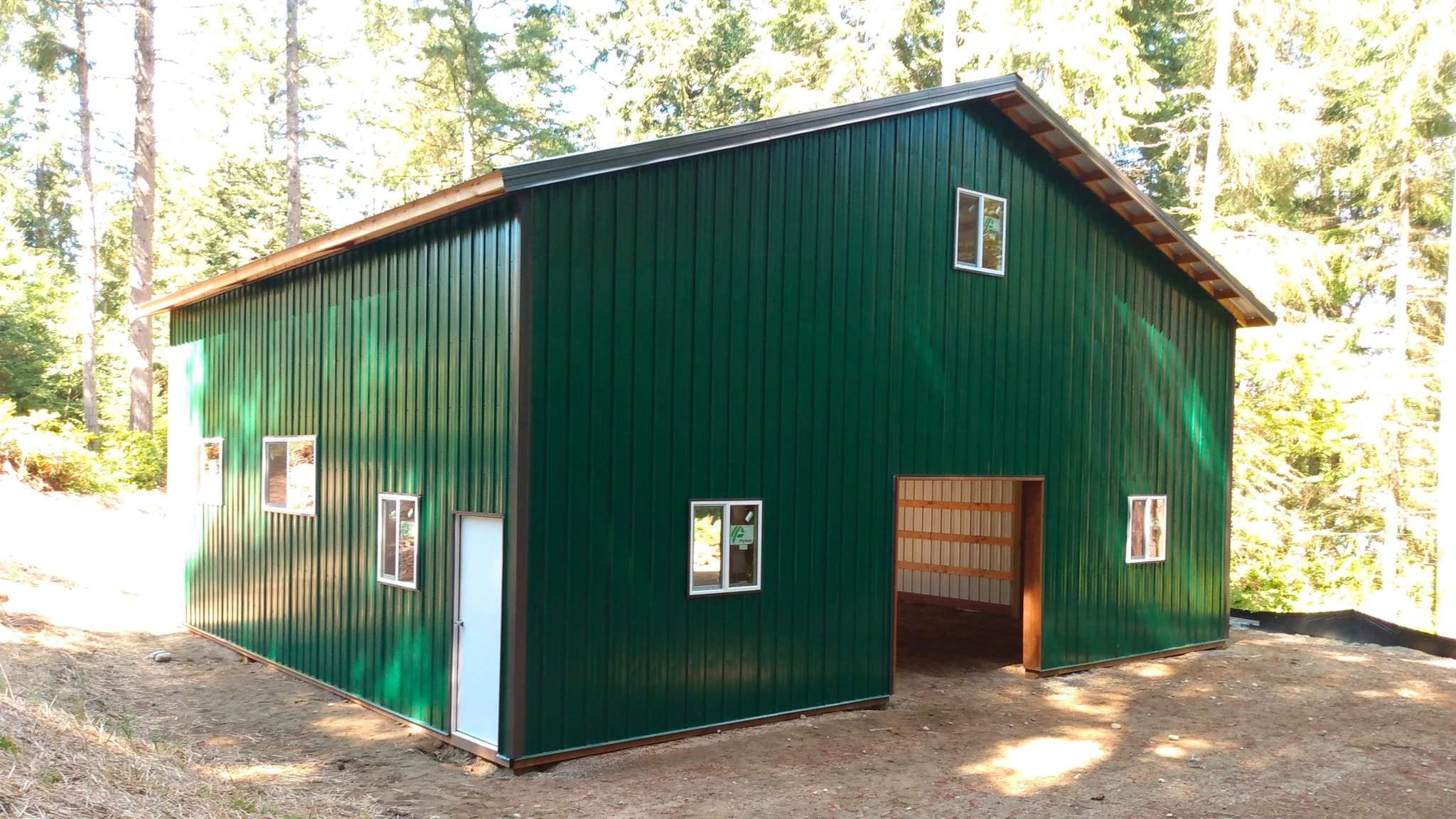
Farms need buildings that prioritize access, airflow, and adaptability. Post-frame pole barns are widely used for equipment storage, hay and feed protection, livestock shelter, and mixed-use farm operations. This guide covers common agricultural applications and Washington planning considerations.
Why Property Owners Choose ProBuilt
About ProBuilt
Local Experience You Can Trust
- 40+ Years — Post-frame construction experience in Western Washington
- ~800 Structures — Completed throughout the Pacific Northwest
- Owner-Operated — Hands-on approach to every project
- Family Business — Local roots and community focus
Practical post-frame buildings for equipment, hay, livestock support, and working farm operations
Agricultural Pole Barns
Why Post-Frame Construction Is a Natural Fit for Agricultural Use
Pole barns have deep roots in agricultural construction because farms often need one thing above all else: dependable covered space that works hard without unnecessary complexity. That is still true today. Post-frame buildings remain one of the most practical ways to create farm utility buildings for equipment, hay, livestock support, and mixed-use agricultural operations.
Agricultural needs also change over time. A building that starts as equipment shelter may later need to support feed storage, seasonal tools, or a different workflow altogether. Pole barns are well suited to that reality because they can create large, unobstructed space that is easier to adapt as farm operations evolve.
Common Agricultural Applications
Equipment Storage
Pole barns are widely used to protect tractors, implements, trailers, and seasonal machinery from weather exposure while keeping access straightforward.
Hay and Feed Storage
Covered storage matters for dry goods, hay, and supplies that are negatively affected by moisture. Layout and ventilation both matter here.
Livestock Support Buildings
Agricultural pole barns can also support shelter, working areas, support zones, and utility spaces connected to animal care and farm operations.
Multi-Purpose Farm Buildings
Many of the best farm buildings are not single-purpose. They support storage, work space, seasonal flexibility, and room for the operation to change.
Why Pole Barns Work Well on Farms
Large, Practical Interior Space
Clear-span layouts are useful when equipment access, stacking, circulation, or flexible storage are part of day-to-day use.
Efficient Covered Area
Agricultural projects often prioritize function over unnecessary finish. Pole barns can be a strong fit when the goal is useful, durable covered space that supports operations.
Adaptability
Farm buildings rarely stay static forever. Pole barns work well when the owner expects changing equipment, seasonal usage, or future repurposing.
Western Washington Farm Planning Considerations
In this region, agricultural building planning often needs to account for wet ground, runoff, muddy approaches, drainage, equipment access, and how the building relates to the rest of the property. Placement matters. Door orientation matters. Site movement matters.
ProBuilt's Role
Agricultural projects benefit from practical planning: understanding what needs to be stored, how equipment enters and exits, and how the building will support the property over the long term.
Common Farm Building Uses
- Equipment Storage — Tractors, implements, trailers, seasonal machinery
- Hay & Feed Storage — Dry goods protected from moisture
- Livestock Support — Shelter, working areas, utility spaces
- Mixed-Use Buildings — Flexible space that adapts to changing farm needs
Related Reading for Farm Buildings
Common Agricultural Applications
Equipment Storage
Tractors, implements, trailers
Hay & Feed
Dry storage protected from moisture
Livestock Support
Shelter, working areas, utility spaces
Multi-Purpose
Flexible space for changing needs
Why Pole Barns Work on Farms
Western Washington Farm Planning
- Wet ground and runoff management
- Muddy approaches and drainage
- Equipment access in all seasons
- Site placement and orientation
Agricultural Building FAQs
Frequently Asked Questions About Agricultural Pole Barns
What kinds of farm buildings work well as pole barns?
What floor or foundation options make sense for equipment versus livestock versus hay storage?
Can an agricultural building be expanded later?
How should ventilation be planned for livestock or hay?
What should be considered for wet sites or muddy properties?
Share your property details, vehicle type, and planned use